
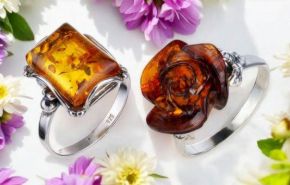
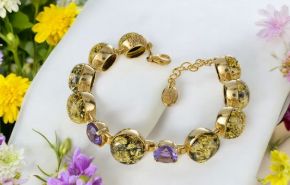
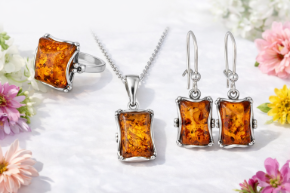
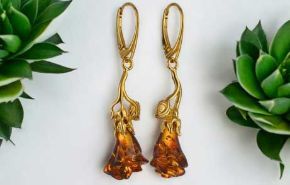

If you’re shopping for an amber ring, you’re probably seeing a lot of beautiful photos—and wondering what actually matters in real life. The quick win: focus on color, natural inclusions, and comfort, then choose a setting that fits your everyday routine.
This beginner-friendly guide breaks it down in plain language so you can buy with confidence (and gift it beautifully, too).
What makes an amber ring special?
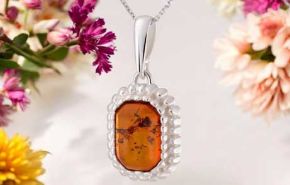
Amber isn’t just “a yellow stone.” Genuine amber is fossilized tree resin, and its warmth, glow, and natural patterns are what make it feel so alive—especially in good light.
Color that looks warm, not flat
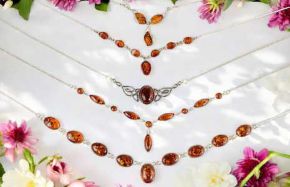
- Baltic amber is known for a wide range of tones. The same ring can look slightly different in daylight vs indoor light, which is part of its charm. Common amber colors include:
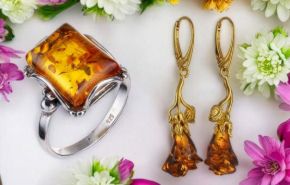
- Honey (golden, bright, sunny)
- Cognac (deep warm amber-brown)
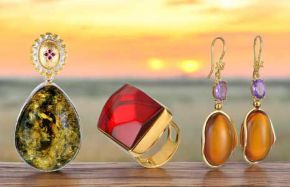
- Green (rarer look; can feel modern and cool-toned)
- Butterscotch (opaque/creamy look, when available)
If you love cozy neutrals and warm outfits, honey and cognac are easy favorites. If you wear a lot of black, gray, and white, green amber can be a striking statement.
Inclusions: the “fingerprint” of genuine amber
Those tiny swirls, flecks, bubbles, or cloud-like patterns inside amber are often called inclusions. They’re not flaws—usually they’re exactly what makes amber look authentic and unique. Many shoppers actually prefer amber with visible character because it doesn’t look mass-produced.
Craftsmanship and comfort matter more than you think
A beautiful stone can still be uncomfortable if the band is sharp, the ring head is too heavy, or the setting catches on sweaters. A well-made ring—especially handcrafted in Gdańsk, Poland—typically pays attention to:
- Smooth inner band (comfort for everyday wear)
- Secure setting (stone feels stable)
- Balanced proportions (less spinning on the finger)
- Clean polish and tidy details
And if the ring is set in sterling silver 925, you’re getting a classic metal that complements amber and works with almost any wardrobe.

How to choose an amber ring: 5 practical tips
These are the checks that save you from “pretty, but I never wear it.”
1) Choose the right amber color for your wardrobe
A simple approach: match amber tone to the colors you wear most.
- Honey amber: cream, beige, camel, denim, soft pastels
- Cognac amber: black, navy, charcoal, olive, brown, winter palettes
- Green amber: white, gray, black, modern neutrals
If you want one ring that goes with everything, honey or cognac is usually the safest bet.
2) Decide how much inclusions you want
Amber can be clear and glassy or more patterned and “sparkly” inside. Neither is “better”—it’s preference.
- Want a clean, refined look? Choose clearer amber with subtle inclusions.
- Want that natural, authentic “Baltic” character? Choose amber with visible swirls and texture.
- Want a bold statement? Larger stones with dramatic inclusions can look amazing.
Tip: In product photos, look for realistic depth and variation—amber that looks perfectly flat and uniform can feel less natural.
3) Pick a setting style that matches your lifestyle
Think about your daily routine (typing, errands, gloves, sweaters).
- Bezel setting (smooth metal rim around the amber): great for daily wear, less snagging
- Higher profiles / ornate designs: beautiful and eye-catching, but can catch on knits
- Slim band: stackable and delicate
- Wider band: bold, stable, more presence
If you want an everyday ring, choose a lower-profile style that feels “easy.”
4) Get the size and comfort right
Comfort is everything. A ring that pinches or spins constantly won’t get worn.
Quick comfort checks:
- Wider bands often feel tighter than thin bands
- Fingers can swell slightly with heat, exercise, or salt
- A top-heavy ring head may rotate more on the finger
If you’re buying a gift for her, a medium-size design with a comfortable band is often the most universally wearable.
5) Choose an occasion “lane”
You can absolutely wear amber daily—but you can also choose based on when you’ll wear it most.
- Everyday: medium stone, smooth setting, practical profile
- Work: refined shape (oval/teardrop), classic silver, not too bulky
- Events: bigger stone, ornate silverwork, richer cognac tones
- Romantic gift: timeless shape + gift-ready presentation
Care & longevity: simple do’s and don’ts
Amber is natural and can scratch if treated roughly, and silver likes gentle care too. The good news: maintenance is simple.
Do
- Store your ring in a soft pouch or jewelry box
- Put it on after lotions, perfume, or sanitizer dries
- Wipe gently after wearing with a soft cloth
- Keep it separate from harder jewelry to avoid scratches
Don’t
- Don’t use harsh cleaners or ultrasonic machines
- Don’t scrub amber with abrasive materials
- Don’t soak for long periods
- Don’t toss it loose in a bag with keys or coins
Simple cleaning steps
- Wipe the amber and metal with a soft, dry cloth.
- If needed, use a slightly damp cloth (water only), then dry fully.
- For sterling silver 925, a silver polishing cloth can be used carefully—avoid aggressive rubbing on the amber.
- Store dry in its pouch/box to keep it looking gift-ready.
Why many shoppers love Baltic amber from Gdańsk, Poland
There’s something special about choosing amber jewelry connected to a real tradition. Gdańsk, Poland is widely associated with Baltic amber craftsmanship, and rings made there often reflect that heritage through thoughtful design and careful finishing.
When you combine genuine Baltic amber with sterling silver 925, you get a piece that feels warm, timeless, and easy to style—whether you’re wearing it with a cozy sweater in winter or a crisp blouse in spring.
FAQ
1) What should I look for to make sure an amber ring is genuine?
Look for clear product details stating genuine amber or genuine Baltic amber, plus natural inclusions and depth (not a flat, plastic look). Reputable sellers describe materials, origin, and craftsmanship.
2) Are inclusions in amber a bad thing?
Not usually—many people love inclusions because they show the amber’s natural character. Think of them as the amber’s unique signature rather than a defect.
3) Is sterling silver 925 a good match for amber?
Yes. Sterling silver 925 is classic, durable for jewelry, and it complements amber’s warm tones beautifully. It also matches most outfits, making it very wearable.
Closing: gift-ready, wearable, and easy to love
The best amber ring is the one that fits your real life: a color that matches your wardrobe, inclusions you enjoy, and a comfortable setting you’ll actually wear. When it’s handcrafted in Gdańsk, Poland from genuine Baltic amber—and paired with sterling silver 925 when relevant—it becomes more than an accessory. It becomes a little piece of warmth you can carry every day.
And if you’re shopping for a gift for her, don’t underestimate the moment of unboxing: gift-ready packaging makes it feel instantly special.